SAP S/4HANA Implementation — HURC1, HCMC Metro Line 1
The IT backbone for the company operating Ho Chi Minh City's first metro line. I led development of FI sub-system reports and modules for financial document management and daily ticket-sales detail.
What I delivered
- Managed the development of new reports and modules for FI sub-systems covering financial document management.
- Built daily detailed ticket-sales reporting for metro line operations.
Context
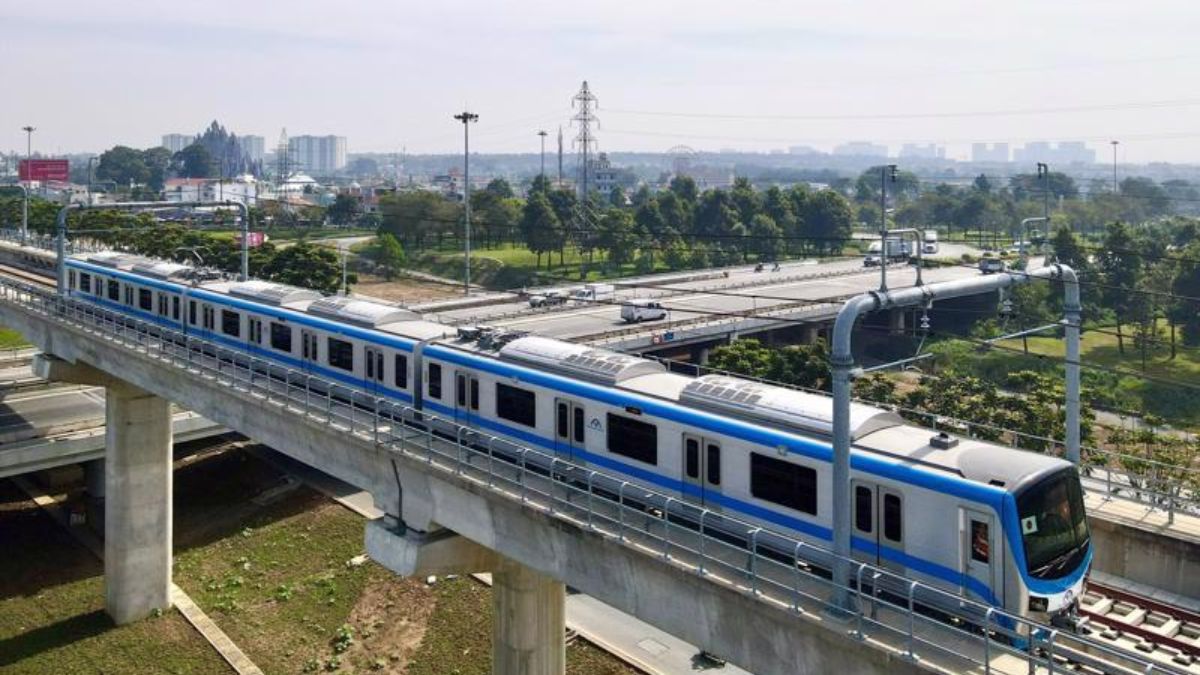
Metro Line No.1 is the first urban rail line in Ho Chi Minh City — a project the city waited more than a decade for. HURC1 operates it, and FPT IS delivered the IT systems for the operating company. I worked on the finance side.
Working on this one felt different from a manufacturing rollout. The output is not a management report somebody reads at quarter end; it is the accounting record of a public transport system that the city rides every day.
My scope
Financial document management. Reports and modules over FI documents — retrieval, drill-down, and the reconciliation views the finance team needed to close a period.
Daily ticket-sales detail. Ticket revenue arrives as a high volume of small transactions, and finance needed it broken out daily and in detail rather than as a monthly aggregate. This is a reporting problem where volume and granularity pull against each other: fine detail means many rows, and many rows means the report has to be built for performance from the first line of code.
Design notes
- Aggregate in the database, not in ABAP. CDS views doing the grouping, with the report reading a result set that is already the right shape.
- Selection screens that constrain by default. A date range that defaults to today rather than an open-ended selection nobody meant to run.
- One definition of revenue. Agreed with finance up front and implemented once, so the daily report and the period report can never disagree.
Result
The FI sub-system reporting went live with the operating company's systems. This was the project where I moved from taking a technical spec and building it to owning a functional area's development — clarifying requirements with the finance team directly, and being accountable for the delivery rather than just the code.
To expand: the ticket-sales data model, and the performance approach in detail.
Want the detail behind this?
Happy to walk through the technical decisions in a conversation.